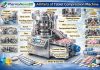




Design Qualification (DQ) of equipment is a critical process, especially in regulated industries like pharmaceuticals, biotechnology, and medical devices. It’s the first step in the validation lifecycle of equipment, ensuring that the design itself meets all the requirements and intended purpose. Here’s a breakdown of what it entails:
What is Design Qualification (DQ)?
DQ is a documented process that verifies and confirms that the design of equipment or a system meets the pre-established requirements and intended purpose. It ensures that the design is suitable for its intended use and complies with relevant regulations and standards (e.g., Good Manufacturing Practices – GMP).
Why is DQ Important?
-
Ensures Compliance: Helps meet regulatory requirements and industry standards.
-
Reduces Risks: Identifies and mitigates potential design flaws early on, preventing costly issues later.
-
Improves Quality: Ensures the equipment is designed to consistently produce products of the desired quality.
-
Saves Costs: Prevents rework and delays by addressing design issues upfront.
-
Enhances Efficiency: Equipment designed correctly operates smoothly and efficiently.
Key Elements of DQ:
-
User Requirements Specification (URS): This document outlines all the functionalities, performance criteria, and requirements the equipment must meet.
-
Design Review: A systematic review of the equipment design to ensure it aligns with the URS and identifies any potential issues.
-
Risk Assessment: Evaluation of potential risks associated with the design and implementation of mitigation strategies.
-
Documentation: Thorough documentation of the entire DQ process, including the URS, design reviews, risk assessments, and approvals.
Steps in the DQ Process:
-
Define the URS: Clearly define the intended use, functionality, and performance requirements of the equipment.
-
Select a Supplier: Choose a supplier capable of meeting the specified requirements.
-
Review the Design: Evaluate the proposed design against the URS, focusing on critical aspects like materials, dimensions, controls, and safety features.
-
Conduct a Risk Assessment: Identify and assess potential risks related to the design and implement mitigation measures.
-
Approve the Design: Once all reviews and assessments are complete, obtain final approval for the design.
Documentation in DQ:
-
URS: Detailed description of user needs and requirements.
-
Design Specifications: Technical drawings, diagrams, and specifications of the equipment.
-
Design Review Reports: Documentation of design reviews and any identified issues.
-
Risk Assessment Reports: Details of risk assessments and mitigation strategies.
-
Approval Documents: Records of design approvals.
DQ in the Equipment Qualification Lifecycle:
DQ is the first stage in the equipment qualification process. It’s followed by:
-
Installation Qualification (IQ): Verifies that the equipment is installed correctly.
-
Operational Qualification (OQ): Demonstrates that the equipment operates as intended within specified parameters.
-
Performance Qualification (PQ): Confirms that the equipment consistently performs and produces the desired results.
Best Practices for DQ:
-
Start Early: Begin DQ during the initial design phase.
-
Involve Key Stakeholders: Include representatives from engineering, quality, production, and other relevant departments.
-
Document Thoroughly: Maintain detailed records of all DQ activities.
-
Use a Risk-Based Approach: Focus on critical aspects and potential risks.
-
Stay Updated: Keep abreast of regulatory requirements and industry best practices.